What Is Composting? How Scraps Turn Into Soil
November 1, 2026 · 3 min read
Composting is controlled decomposition: microbes, fungi and small creatures break food scraps and yard waste down into dark, crumbly humus. Here is what happens inside a pile and why it matters.
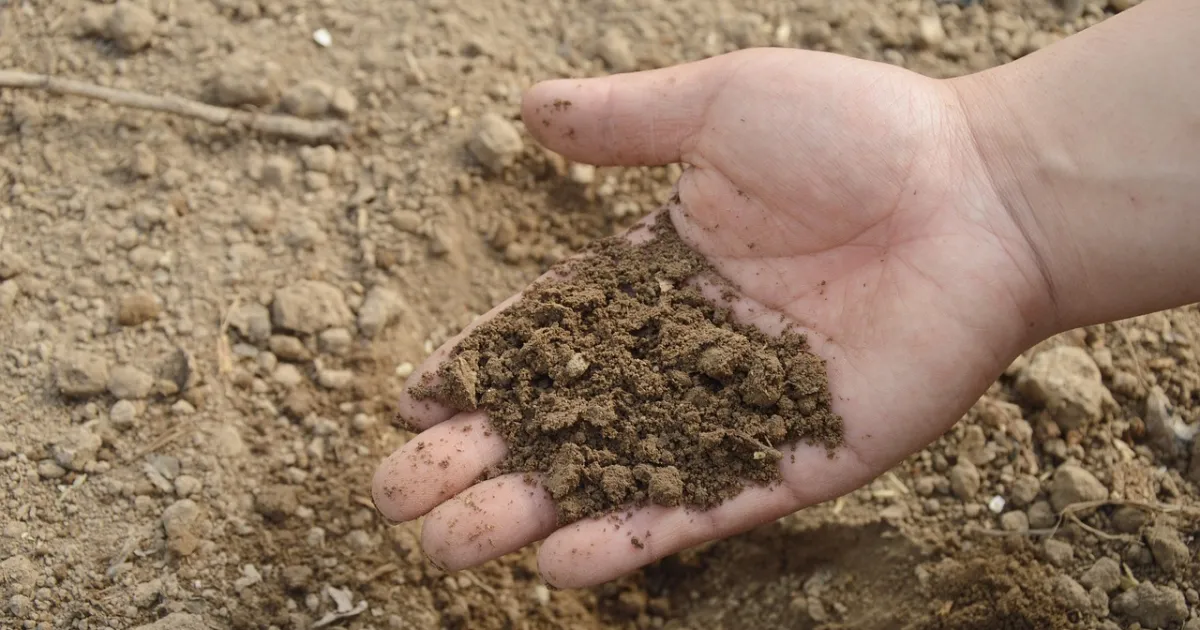
Composting is the controlled breakdown of organic material, such as food scraps, leaves and grass clippings, into a dark, crumbly material called compost. The work is done by living things: bacteria, fungi, worms, insects and other small creatures that feed on the material and turn it into a stable, soil-like product. People speed the process up and keep it tidy by giving those organisms the right mix of food, water and air.
What happens inside a compost pile
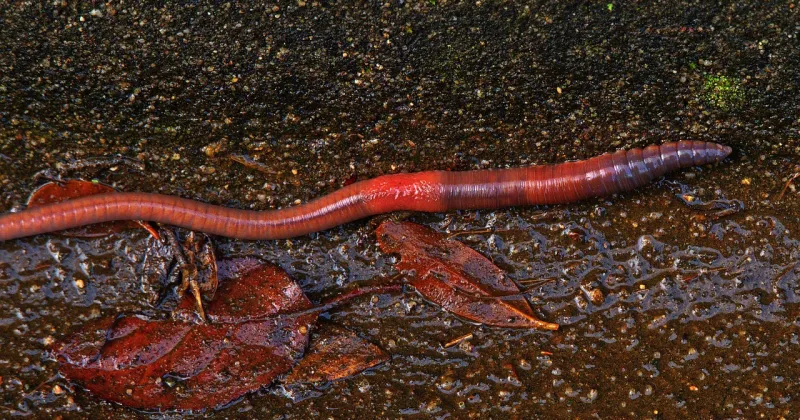
A compost pile is a small ecosystem. Microorganisms do most of the chemical work, breaking down sugars, proteins and, more slowly, tough plant fibers. Fungi and actinomycetes handle woody material. Larger creatures, such as worms, pill bugs and mites, shred and mix the pile as they feed. As they all work, they release heat, water vapor and carbon dioxide, and leave behind humus-rich compost.
Because the main workers breathe oxygen, home composting is an aerobic process. That is why turning and fluffing a pile matters: without air, different microbes take over and the pile starts to smell.
The three stages of composting
| Stage | What happens | How it looks |
|---|---|---|
| 1. Warm-up | Microbes that thrive at moderate temperatures start breaking down easy food such as sugars | The pile begins to warm in the middle |
| 2. Hot phase | Heat-loving microbes take over in a well-built pile and break down proteins and fats quickly | The center can get hot enough to steam on a cold morning |
| 3. Curing | The pile cools; fungi, worms and other creatures finish the tougher material | Dark, crumbly, earthy-smelling compost |
Not every home pile reaches a hot phase. A small or rarely turned pile stays cool and still turns into compost, only more slowly.
Hot vs cold composting
- Hot composting means building a large pile at once with a good balance of materials, keeping it moist and turning it often. It works fast and the heat helps kill many weed seeds and plant diseases.
- Cold composting means adding material whenever you have it and turning rarely. It takes longer, often a year, but needs almost no effort. Weed seeds may survive, so keep seeding weeds out.
What compost needs
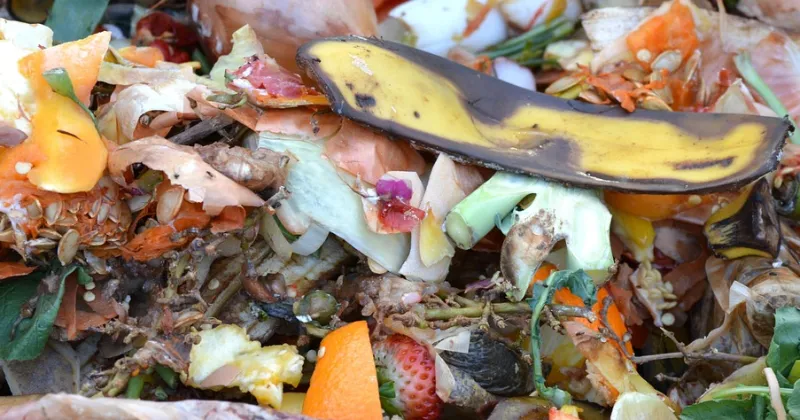
- Greens, rich in nitrogen: fruit and vegetable scraps, coffee grounds, fresh grass clippings.
- Browns, rich in carbon: dry leaves, shredded paper and cardboard, straw.
- Water, about as much as a wrung-out sponge holds.
- Air, from turning the pile and using some coarse material that leaves gaps.
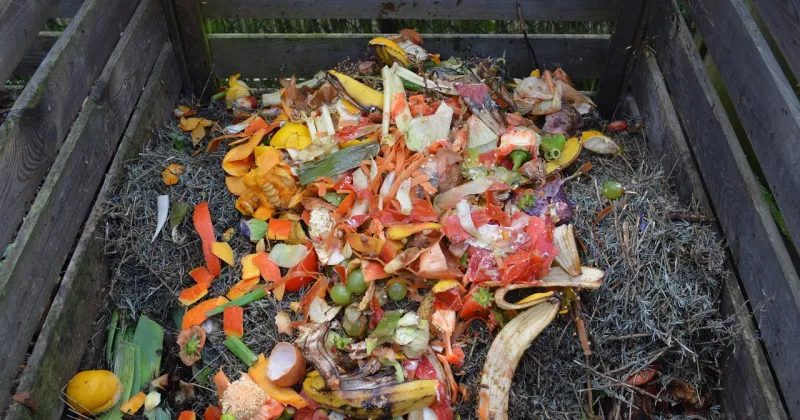
If you want to try it, our step-by-step guide to starting a compost pile at home walks through the setup.
Why composting matters
- Less trash: food scraps and yard trimmings make up a large share of what households throw away. Composting keeps them out of landfills.
- Less methane: organic material buried in a landfill breaks down without air and produces methane, a powerful greenhouse gas. Aerobic composting avoids most of that.
- Healthier soil: compost improves soil structure, helps sandy soil hold water and clay soil drain, and feeds the life in the soil.
- Fewer bought inputs: gardens that get compost need less fertilizer and potting mix.
Other ways to compost
Besides an outdoor pile or bin, there is worm composting, which uses red wiggler worms in a bin indoors, and bokashi, which ferments kitchen scraps in a sealed bucket before they go into soil. Cities and some schools also run larger composting programs that can take material a home pile cannot.
Questions
What is composting in simple words?
Composting is letting food scraps and yard waste rot in a controlled way, so microbes and small creatures turn them into a dark, soil-like material that feeds gardens.
Is composting the same as decomposition?
Composting is decomposition that people manage, by balancing materials, water and air so it happens faster, cleaner and without bad smells.
How long does composting take?
A hot, regularly turned pile can produce compost in a few months; a cold pile that is rarely turned often takes around a year.
Why is composting good for the environment?
It keeps organic waste out of landfills, where it would produce methane, and returns nutrients and organic matter to the soil.
 Composting Worms: Which Worms to Use and How to Care for Them
 Composting Do's and Don'ts: What to Add, What to Avoid
 How to Start a Compost Bin: Your First Fill, Step by Step