Composting Worms: Which Worms to Use and How to Care for Them
November 16, 2026 · 3 min read
Not every worm can live in a compost bin. Here are the worms that do, why red wigglers are the standard, how many to start with, where to get them and how to keep them thriving.
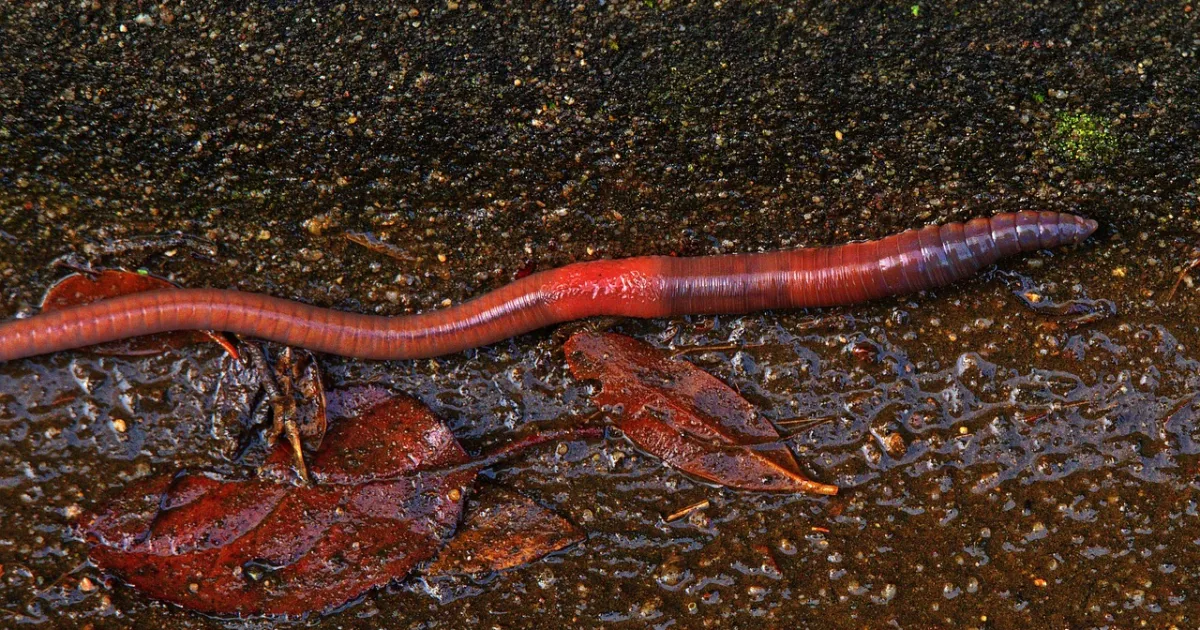
A worm bin is only as good as its worms. The worms that turn kitchen scraps into castings are a specific kind, and they are not the earthworms you find when you dig a garden bed. Here is how to choose them, how many you need and how to keep them healthy.
Why garden earthworms do not work
Worms fall roughly into groups by where they live. Some burrow deep into the soil and pull leaves down from the surface; others live in the soil itself. Neither likes being confined to a shallow box of food. Composting worms belong to the group that lives in the top layer of rotting leaves, manure and compost, which is exactly what a worm bin is.
The best worms for composting
| Worm | Why people use it | Notes |
|---|---|---|
| Red wiggler (Eisenia fetida) | Eats a lot, breeds fast, tolerates crowding and handling | The standard choice for bins |
| European nightcrawler (Eisenia hortensis) | Larger, also used as fishing bait | Eats more slowly, likes a slightly moister bin |
| African nightcrawler (Eudrilus eugeniae) | Fast eaters in warm conditions | Sensitive to cold; better in warm climates |
For a first bin, red wigglers are the safest choice.
How many worms do you need?
Worms are usually sold by weight. A common rule of thumb is that a pound of red wigglers can process roughly half a pound of food scraps a day once they are settled, though they eat less at first and in cool weather. Many households start with one pound and let the population grow: in a well-kept bin, worms breed and adjust to the space and food available.
Where to get composting worms
- Worm farms and garden suppliers, online or local
- Gardeners and teachers who already keep bins and have extra worms
- Local composting programs or extension offices, which sometimes hold workshops
Bait-shop worms are often nightcrawlers that will not settle in a bin, so check what you are buying.
Keeping worms healthy
- Temperature: red wigglers do best in mild conditions, roughly what people find comfortable indoors. Protect them from freezing and from heat above the mid-80s °F (about 30 °C).
- Moisture: bedding should feel like a wrung-out sponge. Worms breathe through their skin and need damp, not soggy, conditions.
- Air: keep ventilation holes clear and fluff the bedding now and then.
- Food: moderate amounts of chopped fruit and vegetable scraps, buried under bedding. Avoid meat, dairy, oily food and large amounts of citrus, onion and garlic.
- Grit: a little soil or crushed eggshell helps worms grind their food.
Signs something is wrong
- Worms crawling up the walls: often too wet, too acidic or too warm.
- Worms balled up or sluggish: check temperature and moisture.
- Food not disappearing: too much food for the number of worms; feed less for a while.
Ready to set up a bin? Our worm composting guide covers the bin, bedding and harvesting castings.
Questions
What is the best worm for composting?
Red wigglers (Eisenia fetida). They live near the surface in rotting material, eat a lot and adapt well to bins.
Can I use worms from my garden?
Usually not. Most garden earthworms live deep in soil and do not thrive in a bin.
How many worms do I need to start a worm bin?
Many people start with about a pound of red wigglers and let the population grow with the food supply.
Do composting worms die in winter?
They die if they freeze. Keep the bin indoors or in a sheltered spot when temperatures drop.
 Composting Do's and Don'ts: What to Add, What to Avoid
 How to Start a Compost Bin: Your First Fill, Step by Step
 How to Make a Compost Bin: 4 DIY Builds From Easy to Advanced