Raised Bed Gardening: Benefits, Planning and What to Plant
November 6, 2026 · 2 min read
Why raised beds are so popular in home and school gardens, their drawbacks, and how to plan, plant, water and look after them through the year.
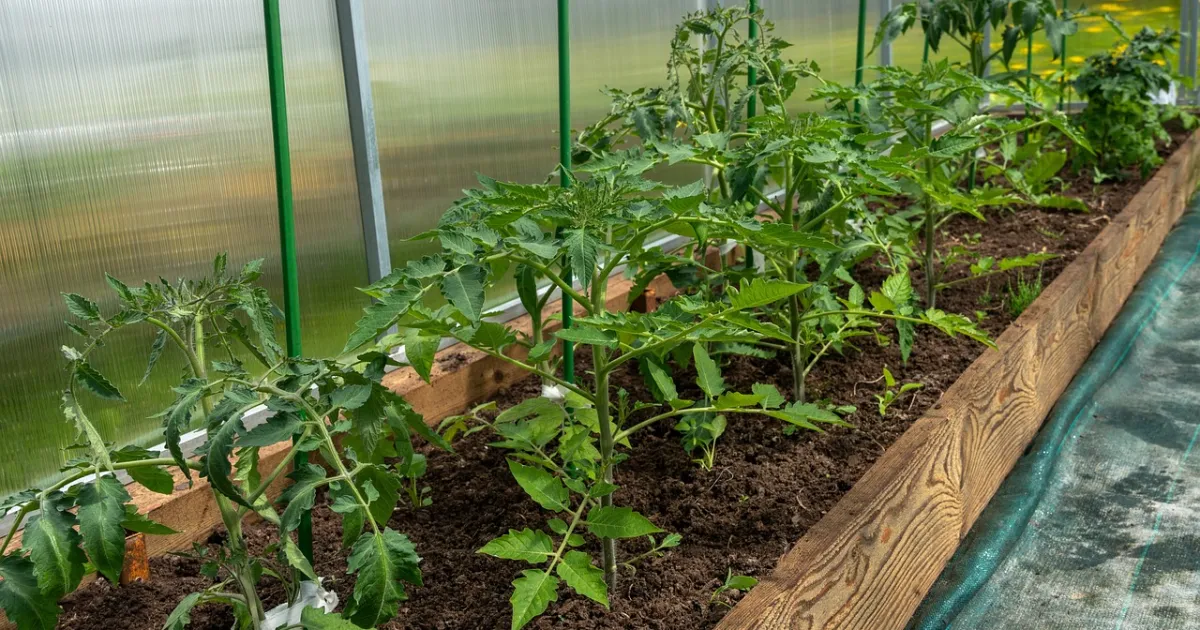
A raised bed garden grows plants in soil held above ground level by a frame. It is the most common layout in school gardens and small backyard plots because it is tidy, easy to reach and lets you start with good soil wherever you are. This guide covers why and how to garden in raised beds. To build one, see how to build a raised garden bed.
Benefits and drawbacks
| Benefits | Drawbacks |
|---|---|
| Good soil from day one, even over clay or pavement | Cost of frames and soil |
| Warms up earlier in spring | Dries out faster in summer |
| Excellent drainage | Needs topping up with compost each year |
| Soil is never walked on, so stays loose | Less suited to sprawling crops like squash and corn |
| Easier to reach, weed and harvest | Frames eventually need repair |
Planning your beds
- Sun: at least 6 to 8 hours a day for fruiting vegetables; leafy greens tolerate less.
- Width: up to 4 feet, so the middle is reachable from both sides. For young children, about 3 feet.
- Paths: about 2 feet between beds, wider for wheelbarrows and wheelchairs.
- Water: close to a tap or rain barrel; beds dry out faster than the ground.
- Orientation: long sides running north–south give even light, with tall crops at the north end.
Soil
Fill with a blend of topsoil and compost rather than plain garden soil, which compacts in a frame. Each spring, add an inch or two of compost to replace what plants used and what settled. A light mulch of straw or shredded leaves keeps moisture in.
Spacing: the square-foot method
Raised beds suit intensive planting. A popular approach divides the bed into one-foot squares and plants each square with a set number of plants:
| Plants per square foot | Examples |
|---|---|
| 1 | Tomato (staked), pepper, broccoli, cabbage |
| 4 | Lettuce, chard, bush basil |
| 9 | Bush beans, spinach, beets |
| 16 | Carrots, radishes, green onions |
What to plant first
Easy, quick crops build confidence, which matters in a classroom: radishes, lettuce, peas, bush beans, herbs, cherry tomatoes and, in autumn, garlic, which is harvested the next summer (see when to harvest garlic).
Care through the year
- Spring: top up compost, plant cool-season crops.
- Summer: water deeply, mulch, harvest often.
- Autumn: plant garlic and cover crops, add leaves.
- Winter: cover beds with leaves or a cover crop to protect the soil.
No ground at all? Container gardening follows many of the same principles.
Questions
Are raised beds better than in-ground gardens?
They are easier to manage and drain better, especially over poor soil, but cost more and dry out faster. Both work well.
How often should you water a raised bed?
Check the soil a few inches down; in summer, beds often need deep watering every one to three days.
Do raised beds need new soil every year?
No. Add an inch or two of compost each year to replace what settles and what plants use.
 12 Raised Garden Bed Ideas for Every Space and Budget
 How to Build a Raised Garden Bed: A 4x8 Plan Step by Step
 How to Start a School Garden: A Step-by-Step Plan