How to Start a School Garden: A Step-by-Step Plan
October 29, 2026 · 3 min read
From a patch of lawn or asphalt to beds full of lettuce: who you need on board, where to put the garden, how to build beds, what to plant first and how to get through the summer break.
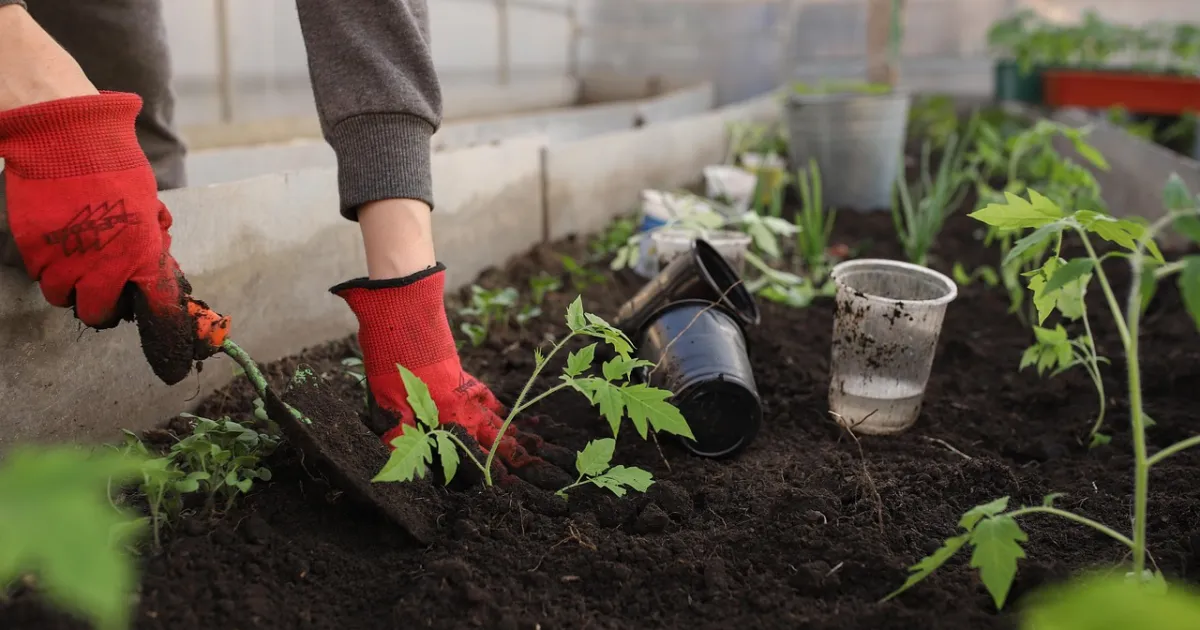
Most school gardens do not fail because of pests or weather. They fail because one enthusiastic teacher carries everything, and when that teacher moves on, the beds fill with weeds. The plan below puts the people and the routines first, and the vegetables second.
1. Build a small team before you dig
Three to five committed people are enough to start: two teachers, a parent or two and someone from the custodial or facilities staff. Get the principal's support in writing, because the garden will need space, a water source and time in the timetable.
- Agree on the purpose. Science lessons, nutrition, a calm outdoor space, food for the cafeteria? The purpose decides the size and the plants.
- Name one coordinator and one deputy, so the garden survives staff changes.
- Talk to facilities early. Mowing, irrigation lines and underground utilities all matter before anyone breaks ground.
2. Choose the site
The best spot is the one that gets sun and that classes can reach easily.
| What to check | Why it matters |
|---|---|
| At least 6 hours of direct sun | Most vegetables, especially fruiting ones like tomatoes, need full sun |
| A water tap within hose reach | Carrying watering cans across a playground gets old fast |
| Close to classrooms | A garden visible from the building gets used and noticed |
| Accessible paths | Wheelchairs and wheelbarrows need firm, level paths about 90 cm (3 ft) wide |
| Soil history | Old city sites can hold lead or debris; test the soil or build raised beds with clean soil |
3. Start with raised beds
Raised beds are the easiest way to begin on a school site. They warm up faster in spring, keep little feet off the soil, can sit on poor ground or even asphalt (with a deeper fill), and make it clear where the garden starts and stops.
- Size: about 1.2 m (4 ft) wide, so children can reach the middle from both sides, and any length that fits.
- Height: 30 cm (12 in) is plenty for most vegetables; taller beds suit younger children less but help adults and wheelchair users.
- Material: untreated, rot-resistant timber, or metal kits. Avoid old railway sleepers and wood treated with chemicals you cannot identify.
- Fill: a mix of good topsoil and compost. Ask local suppliers for a "raised bed mix" and check what is in it.
Four beds are a good first year. It is better to grow a little well than to leave half the garden to weeds.
4. Pick easy first crops
For the first season, choose plants that grow fast, forgive mistakes and fit the school calendar. In most temperate climates, a spring and fall garden works better for schools than a summer one.
- Spring: radishes (ready in about a month), lettuce, spinach, peas, carrots.
- Fall: kale, chard, garlic for the next year, more radishes and lettuce.
- For the senses: herbs such as mint (in a pot, it spreads), basil and chives; sunflowers along the fence.
Check a local planting calendar from your extension service for frost dates in your area.
5. Tie the garden to lessons
Teachers use the garden when it saves them work instead of adding to it. Map a few lessons to what each grade already teaches: life cycles and seeds for young children, measuring and graphing plant growth, soil and decomposition, nutrition and writing about the harvest. A simple shared calendar of who uses the garden when avoids two classes arriving with trowels at once.
6. Plan the summer before it arrives
Summer is where many school gardens are lost. Decide in spring:
- who waters, and how often (a rota of families, a summer program or drip irrigation on a timer);
- which beds get a low-care crop such as squash or a cover crop, and which are mulched and left;
- who harvests, so food does not rot on the plant.
7. Keep it going
A short garden meeting each season, a list of jobs volunteers can pick up, a sign explaining what is growing and a harvest celebration all keep the garden visible. Photos and small reports to families and the school board help when you ask for funding or more space.
Questions
How much sun does a school garden need?
Aim for at least six hours of direct sun a day. Leafy greens tolerate a bit less; tomatoes, peppers and squash need full sun.
How big should a first school garden be?
Three or four raised beds are a good start. Expand once the team and routines are working.
What should a school plant first?
Fast, forgiving crops that fit the school year: radishes, lettuce, spinach and peas in spring; kale, chard and garlic in fall.
What happens to a school garden in summer?
Plan it in spring: a watering rota or timed drip irrigation, low-care crops or mulch in some beds, and someone responsible for the harvest.
 Composting at School: A Simple Guide for Teachers and Kids