How to Build a Raised Garden Bed: A 4x8 Plan Step by Step
November 4, 2026 · 3 min read
A simple 4x8-foot raised bed you can build in an afternoon: the cut list, the steps, how deep it should be, which wood to use and how to fill it.
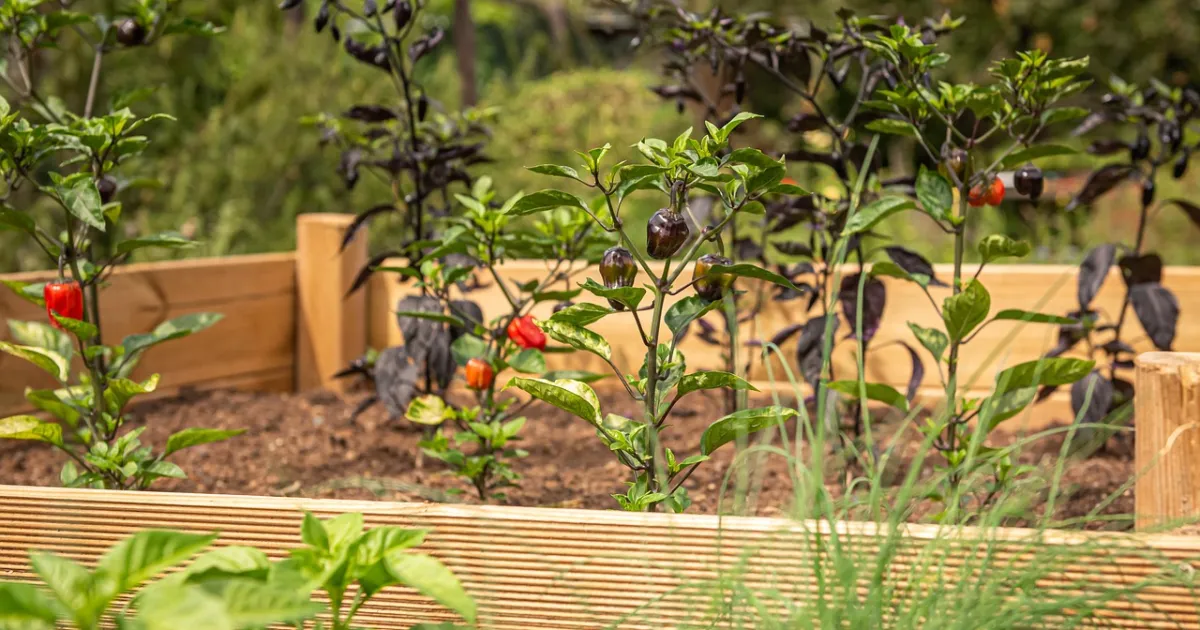
A raised bed is a bottomless frame filled with good soil. It warms up earlier in spring, drains well, keeps paths and beds separate and, at the right height, brings the garden closer to small children and to anyone who finds bending difficult. This plan builds a classic 4 by 8 foot bed, the size most school and home gardens start with.
Plan at a glance
| Item | Spec |
|---|---|
| Size | 4 × 8 ft (1.2 × 2.4 m), about 11 inches (28 cm) tall |
| Boards | Three 2×6 boards, 8 ft long, per layer; two layers (six boards) |
| Corner posts | One 4×4 post, cut into four 11-inch pieces |
| Fasteners | 3-inch exterior wood screws, about 48 |
| Tools | Saw, drill/driver, tape measure, square, level |
| Soil to fill | About 30 cubic feet (just over 1 cubic yard) |
Step by step
- Cut the boards. For each layer you need two 8-ft sides and two 4-ft ends: cut one of the three boards in half. Note the ends sit inside the sides, so the outside width is 4 ft plus two board thicknesses; that is fine.
- Cut the corner posts from the 4×4 to the height of two boards stacked.
- Build the first layer on a flat surface. Screw each end board to two corner posts, then screw the long sides to the posts, two to three screws per joint.
- Add the second layer on top, staggering nothing: the posts hold both layers.
- Check that it is square by measuring both diagonals; they should match.
- Place and level it in a spot with 6 to 8 hours of sun. Dig the high side in rather than propping up the low side.
- Line the bottom. Lay cardboard over grass to smother it. Where gophers or moles are a problem, staple hardware cloth across the bottom first.
How deep should a raised bed be?
Six inches works for shallow-rooted crops on top of decent soil. Around 10 to 12 inches suits most vegetables, and deeper beds help where the ground beneath is poor, compacted or paved. For wheelchair users or as a standing-height bed, frames of about 24 to 30 inches, or a bed on legs, put the soil within easy reach.
Which wood to use
- Cedar, redwood or larch resist rot naturally and last many years.
- Untreated pine or fir is cheap but may need replacing after a few seasons.
- Modern pressure-treated lumber is considered acceptable by many extension services; if you prefer, line the inside walls with plastic sheeting.
- Avoid old railroad ties and creosote-treated timber.
How to layer and fill it
Most beds are filled with a blend of good topsoil and compost, roughly two parts topsoil to one part compost, or a ready-made raised bed mix. To save soil in a deep bed, the bottom can be layered with logs, branches and leaves that slowly break down, topped with at least 8 inches of soil mix. Expect the soil to settle; top it up with compost every year. Our composting guide shows how to make your own.
Building one cheaply
- Use reclaimed untreated boards or heat-treated (HT) pallets.
- Build a single layer, 6 inches high, on top of loosened soil.
- Use logs or stones as edging.
- Fill the bottom with free organic material and buy only the top layer of soil.
Planning a whole school garden? Start with our guide to starting a school garden, and see raised garden bed ideas for other designs.
Questions
How deep should a raised garden bed be?
About 10 to 12 inches suits most vegetables. Six inches can work on top of good soil; deeper beds help over poor or paved ground.
What do you fill a raised garden bed with?
A mix of good topsoil and compost, roughly two to one, or a commercial raised bed mix. Avoid filling it with garden soil alone.
How wide should a raised bed be?
No more than about 4 feet, so you can reach the middle from both sides. For young children, 3 feet is easier.
What should I put at the bottom of a raised bed?
Cardboard over grass to smother it, and hardware cloth underneath if burrowing animals are a problem.
 12 Raised Garden Bed Ideas for Every Space and Budget
 Raised Bed Gardening: Benefits, Planning and What to Plant
 How to Start a School Garden: A Step-by-Step Plan