Composting Bins Explained: Which Type Should You Choose?
November 7, 2026 · 2 min read
Countertop caddy, closed bin, tumbler, worm bin or bokashi bucket? A plain comparison of composting bin types, the size you need and the features that actually matter.
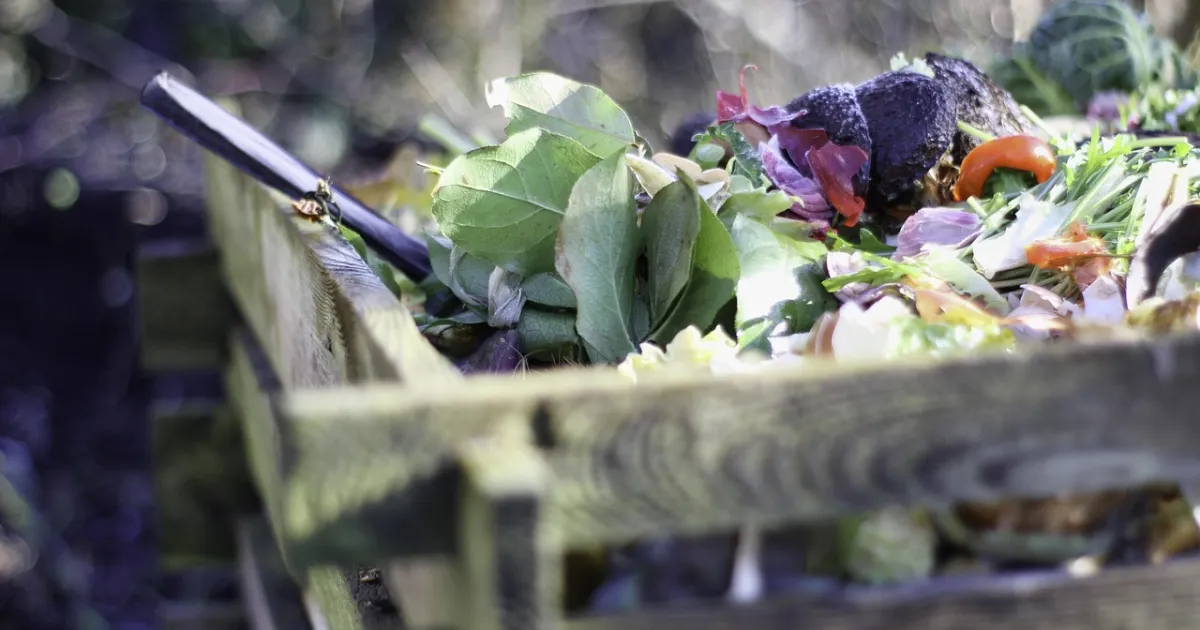
"Composting bin" can mean very different things: a small caddy that collects scraps on the kitchen counter, a large bin in the yard where the composting happens, a rotating tumbler or a worm farm. Knowing which job you need done is the first step to choosing well. We do not sell bins or recommend brands; this guide explains the types so you can compare any model you find.
Kitchen caddy vs outdoor bin
A countertop caddy only stores scraps for a few days until you empty them outside. Look for a tight lid, an easy-to-clean liner and, if smells worry you, a charcoal filter in the lid. It does not make compost.
An outdoor bin is where the composting actually happens. Most households need both.
Types of composting bins compared
| Type | Good at | Watch out for |
|---|---|---|
| Closed stationary bin | Simple, cheap, keeps pests out, holds a lot | Hard to turn inside; slower without turning |
| Tumbler (single chamber) | Easy turning, tidy, off the ground | Never finishes if you keep adding; smaller volume |
| Tumbler (dual chamber) | One side finishes while the other fills | Each side is small |
| Open slatted or wire bin | Great airflow, big volume, cheap | Less tidy; needs a lid or cover in wet climates |
| Multi-bay system | Continuous compost for large gardens | Space and effort |
| Worm bin | Indoors, year-round, rich castings | Needs moderate, regular feeding |
| Bokashi bucket | Under the sink; takes cooked food | Output must still be buried or composted |
What size do you need?
- One or two people, kitchen scraps only: a small closed bin, a worm bin or a bokashi system.
- A family with a small garden: a closed bin of roughly 80 gallons (300 liters) or more, or a dual-chamber tumbler.
- Large garden with lots of leaves: an open bin or multi-bay system of about 1 cubic meter per bay.
Bigger piles heat up and work faster; very small containers stay cool and slow.
Features worth paying attention to
- Ventilation: holes or slots let air in; without them, compost turns smelly.
- Access: a wide lid for adding material and a hatch or removable panel at the bottom for taking finished compost out.
- Pest resistance: a secure lid and, for stationary bins, a mesh base if rodents are common.
- Material: recycled plastic lasts and holds moisture; wood breathes better but eventually rots; metal mesh is cheap and airy.
- Ease of turning: tumblers make it easy; for stationary bins, an aerator tool helps.
Buy or build?
A ready-made bin is quick and tidy. Building one costs less and can be sized to your space: our guide to making a compost bin has four designs. Many cities also sell subsidized bins, so it is worth checking your local waste or recycling department first.
Once you have a bin
Set it on bare soil in partial shade, then follow our step-by-step guide on how to start a compost bin. For indoor options, see worm composting and bokashi.
Questions
What is the best type of composting bin for beginners?
For most people with a yard, a closed stationary bin: it is cheap, simple and forgiving. Without a yard, a worm bin or bokashi bucket.
Are compost tumblers better than bins?
Tumblers are easier to turn and tidier, but hold less and work best when you fill one batch and let it finish. Stationary bins hold more for less money.
Does a compost bin need holes?
Yes. Ventilation keeps the process aerobic and prevents bad smells.
 Composting Worms: Which Worms to Use and How to Care for Them
 Composting Do's and Don'ts: What to Add, What to Avoid
 How to Start a Compost Bin: Your First Fill, Step by Step