How to Make a Compost Bin: 4 DIY Builds From Easy to Advanced
November 10, 2026 · 3 min read
You do not need to buy a compost bin. Here are four builds, from a 30-minute trash can composter to a three-bay system for a school garden, with materials and step-by-step instructions.
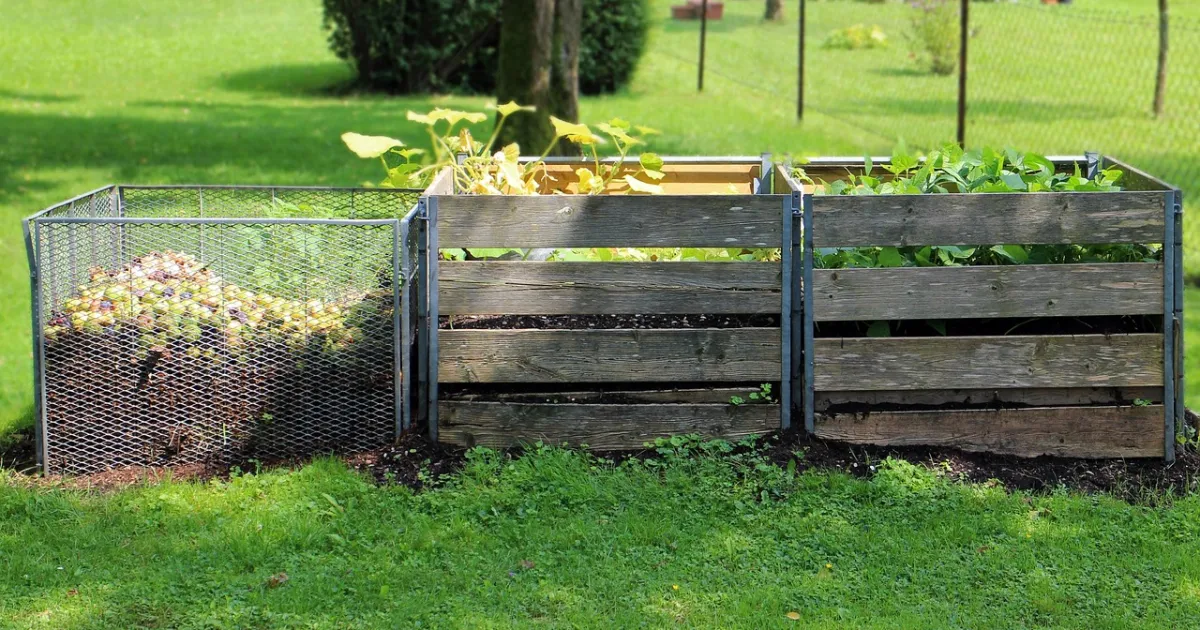
A homemade compost bin can cost little or nothing and be built in an afternoon. The four designs below go from the simplest to the most productive. Whatever you build, aim for three things: enough volume to hold heat, airflow through the sides and easy access for adding and turning material.
Which build is right for you
| Build | Time | Cost | Best for |
|---|---|---|---|
| Trash can composter | 30 minutes | Low | Small yards, kitchen scraps |
| Wire hoop bin | 30 minutes | Low | Leaves and garden waste |
| Pallet bin | 1–2 hours | Often free | Most gardens |
| Three-bay system | A weekend | Medium | Big gardens, schools, continuous compost |
1. Trash can composter
You need: a plastic trash can with a lid (about 30 gallons or larger), a drill with a 1/2 inch (12 mm) bit.
- Drill holes every few inches around the sides, top to bottom, and several in the bottom for drainage.
- Drill a few holes in the lid for air.
- Set the can on a couple of bricks so air reaches the bottom, or partly sink it into the soil so worms can get in.
- Start with a layer of twigs or straw, then add greens and browns.
Tip: to turn it, lay the can on its side with the lid secured and roll it across the lawn.
2. Wire hoop bin
You need: about 10 to 12 feet (3 to 3.5 m) of welded wire or hardware cloth roughly 3 feet (1 m) tall, wire ties or clips, gloves.
- Unroll the wire and form it into a circle about 3 feet across.
- Fasten the ends together with wire ties or clips so the hoop can be opened later.
- Stand it on bare soil and fill with leaves and garden waste, adding greens as you go.
Tip: to turn the pile, unclip the hoop, set it up next to the pile and fork the material back in.
3. Pallet bin
You need: four wooden pallets, wire, screws or strong cable ties, optionally hinges for a front gate. Use pallets marked "HT" (heat treated), not ones marked "MB", which were treated with a chemical fumigant.
- Stand three pallets on edge to form a U and fasten the corners together.
- Attach the fourth pallet as a front with hinges or ties, so it opens for turning and emptying.
- Line the inside with wire mesh if you want to keep material from falling through wide gaps.
- Place on bare soil and start filling.
4. Three-bay system
You need: untreated or naturally rot-resistant boards (or seven to ten pallets), posts, screws, wire mesh.
- Build three bays side by side, each about 3 by 3 feet (1 by 1 m), sharing walls.
- Leave narrow gaps between boards for air, or use mesh panels.
- Make the fronts from removable slats that slide into channels, so you can open each bay a little at a time.
- Fill the first bay; when it is full, turn it into the second; later move it to the third to finish.
This is the setup most school and community gardens use, because it produces compost continuously. Our composting guide compares it with other methods.
Size, placement and airflow
- Size: about 3 by 3 by 3 feet (1 cubic meter) holds enough material to heat up. Much smaller piles stay cool and slow; much bigger ones are hard to turn.
- Placement: on bare, level soil, in partial shade, close to a water source and to the kitchen door.
- Airflow: gaps or holes in the sides and a coarse base layer keep the pile breathing.
- Rodents: if they are a problem, line the bottom with hardware cloth before filling.
Once it is built, follow our step-by-step guide on how to start a compost bin for the first fill.
Questions
What is the easiest compost bin to make?
A wire hoop or a drilled trash can: both take about half an hour and need only basic tools.
How big should a homemade compost bin be?
About 3 feet wide, deep and tall (roughly 1 cubic meter) is a good size for a pile that heats up.
Should a compost bin have a bottom?
Usually not: an open bottom on bare soil lets worms and soil life in and drains excess water. Add wire mesh underneath if rodents dig in.
Are pallets safe for compost bins?
Choose pallets stamped HT (heat treated) and avoid those stamped MB, which were fumigated with a chemical.
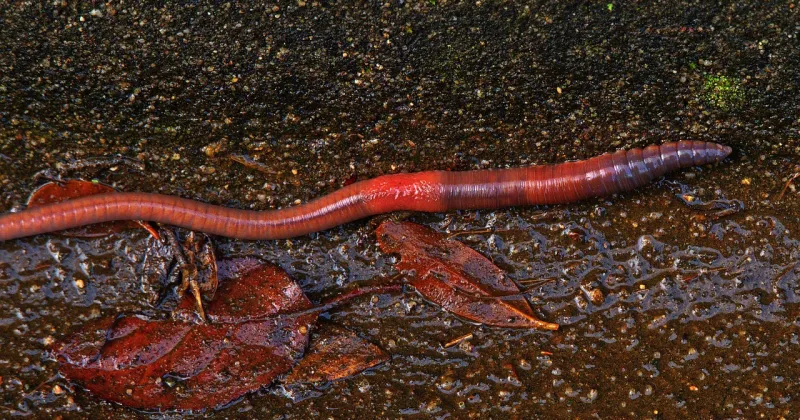 Composting Worms: Which Worms to Use and How to Care for Them
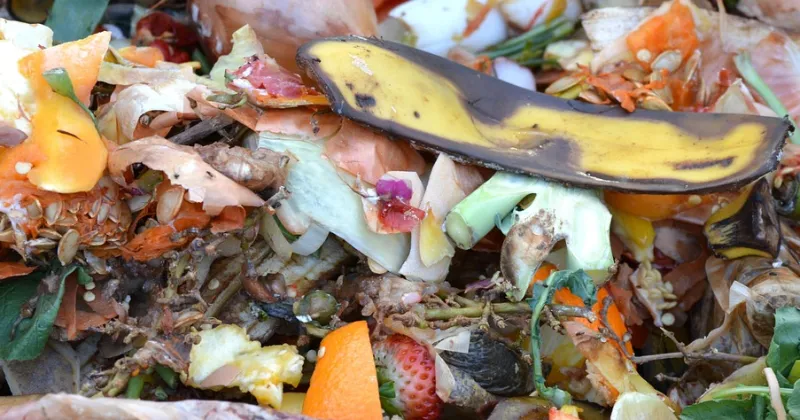 Composting Do's and Don'ts: What to Add, What to Avoid
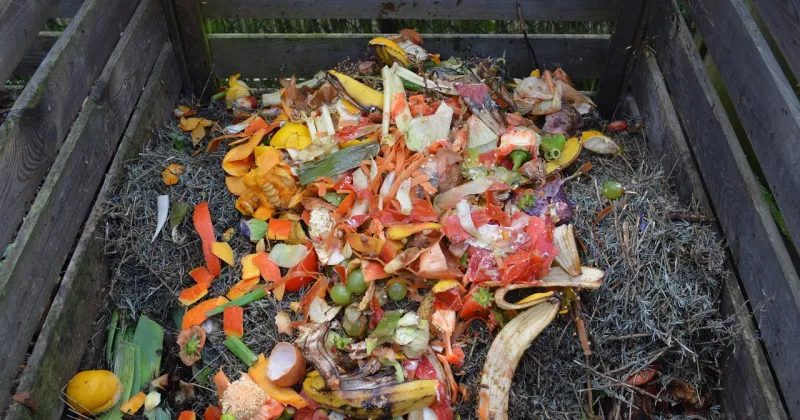 How to Start a Compost Bin: Your First Fill, Step by Step