Composting at School: A Simple Guide for Teachers and Kids
October 29, 2026 · 3 min read
Fruit peels and fallen leaves into dark, crumbly soil: how to set up compost at school, what goes in and what stays out, how to keep it from smelling, and why a worm bin is a classroom favorite.
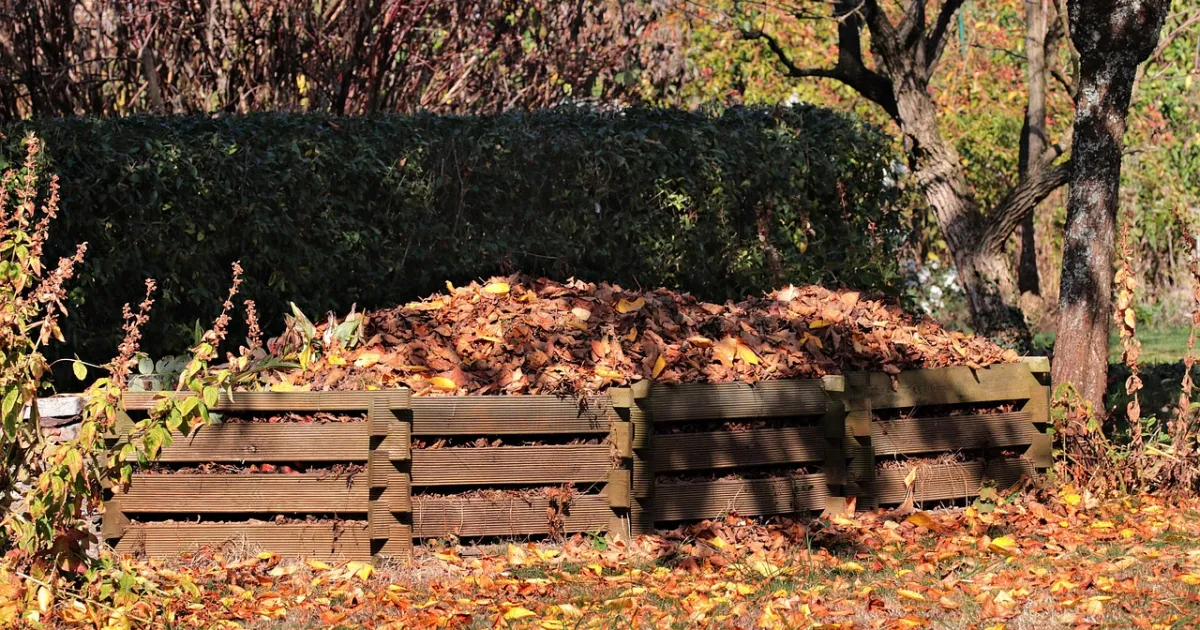
Compost is the garden's engine and one of the best science lessons a school can run. In a few months, scraps from snack time and leaves from the playground become dark, crumbly material that feeds the soil. Children see decomposition happen instead of reading about it.
The basic recipe: greens and browns
Compost organisms need a balance of two kinds of material.
| Greens (nitrogen-rich) | Browns (carbon-rich) |
|---|---|
| Fruit and vegetable scraps | Dry leaves |
| Fresh grass clippings | Shredded paper and plain cardboard |
| Garden trimmings and spent plants | Straw, wood chips, sawdust from untreated wood |
| Coffee grounds and tea leaves | Paper towels and napkins without grease |
A good rule of thumb is about two to three parts browns to one part greens by volume. Too many greens and the pile turns wet and smelly; too many browns and it barely changes. Keep a store of dry leaves or shredded paper next to the bin so every bucket of scraps can be covered.
What stays out
- Meat, fish, bones and dairy: they smell and attract animals.
- Oily or greasy food.
- Pet waste.
- Diseased plants and weeds that have gone to seed.
- Plastic-lined cups, "compostable" packaging (most needs industrial composting) and glossy paper.
A laminated sign with pictures next to the collection bucket does more than any announcement.
Choosing a bin
- Closed plastic bins are tidy and keep animals out; good for small amounts.
- Three-bay bins built from pallets or wood let you have one bay filling, one cooking and one finished. They suit schools with a large garden.
- Tumblers are easy to turn and enclosed, which children enjoy, but hold less.
Put the bin on soil in partial shade, near the garden and reachable from a path. Check with your school and city about any rules on outdoor composting.
Keeping the pile healthy
- Chop it up. Smaller pieces break down faster.
- Keep it moist, like a wrung-out sponge. Add water in dry spells, more browns when it is soggy.
- Give it air. Turn or fluff the pile every week or two with a fork.
- Cover fresh scraps with browns every time to stop smells and flies.
Finished compost is dark, crumbly and smells like a forest floor. Depending on the season and how often it is turned, that can take from a few months to most of a year. Sieve out unfinished bits and put them back in.
Worm bins: compost in the classroom
A worm bin (vermicomposting) works indoors all year and fits on a shelf. It uses red wigglers, a small worm species that lives in decaying material rather than deep soil; ordinary garden earthworms do not do well in a bin.
- Use a plastic tub with air holes and bedding of shredded, moistened newspaper or cardboard.
- Feed small amounts of fruit and vegetable scraps, buried under the bedding.
- Avoid citrus peels, onions and spicy food in large amounts, and never meat or dairy.
- Plan who looks after the worms over long holidays: a well-fed bin can usually be left for a couple of weeks.
The worm castings that collect in the bin are an excellent fertilizer for classroom plants and the garden.
Lessons that come with compost
- Science: decomposers, food webs, the role of air and water; measure the pile's temperature over a week.
- Math: weigh the scraps collected each day and graph how much waste the class keeps out of the trash.
- Writing: a compost journal or a "life of a banana peel" story.
If your city collects food scraps
Many cities run food scrap collection or community compost drop-off sites. If the school produces more than its own bin can handle, find out whether a local program can take the extra.
Questions
What is the ratio of greens to browns in compost?
A common rule of thumb is about two to three parts browns to one part greens by volume. Adjust by feel: add browns if it is wet and smelly, greens and water if it is dry and slow.
Can you compost food from the school cafeteria?
Fruit and vegetable scraps, yes. Leave out meat, fish, dairy and greasy food, which smell and attract animals in a simple school bin.
Which worms are used in a worm bin?
Red wigglers. They live in decaying material near the surface and thrive in bins; regular garden earthworms do not.
How long does compost take?
From a few months to most of a year, depending on the materials, the season and how often the pile is turned.
 How to Start a School Garden: A Step-by-Step Plan